McKinney, Texas: Historic Character and Modern North Texas Living
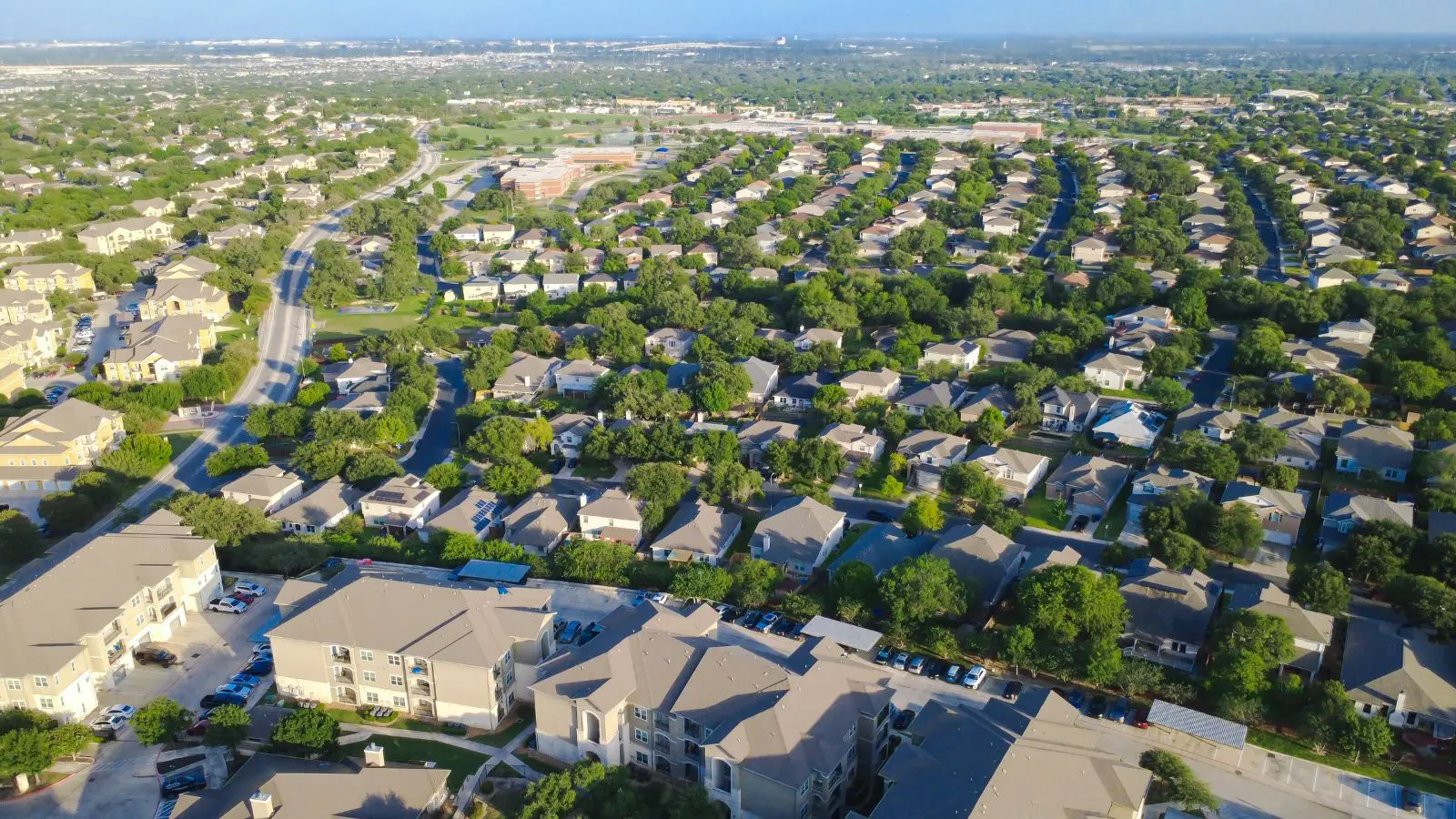
McKinney, Texas, offers a distinctive combination of established character, thoughtful growth, and convenient access to the Dallas-Fort Worth region. Located in Collin County, the city has expanded into one of North Texas’s major residential and employment centers while retaining a historic downtown that gives it a clear local identity. Residents can spend an afternoon browsing independently owned shops, attend an outdoor festival, explore a nature preserve, or enjoy the amenities of a master-planned neighborhood without leaving the city. McKinney also provides access to respected schools, recreational facilities, medical services, restaurants, and major transportation routes. Housing choices range from restored homes near downtown to townhouses, golf-course properties, new construction, and larger residences in amenity-rich communities. This variety appeals to first-time buyers, growing households, professionals, and those seeking a comfortable place to settle for years to come. With its active community calendar, attractive public spaces, and strong connection to the broader Metroplex, McKinney gives residents many ways to build a life that feels both connected and personal.
How Did McKinney, Texas, Develop?
McKinney’s history began during the early settlement of Collin County. Both the city and county were named for Collin McKinney, a land surveyor, merchant, politician, and signer of the Texas Declaration of Independence. The Texas Legislature established Collin County in 1846, and McKinney became the county seat two years later. Its central location within the county supported early growth as residents traveled to the community for government business, trade, worship, and social gatherings.
Agriculture shaped much of McKinney’s early economy. Farmers in the surrounding countryside produced cotton, corn, wheat, and livestock, while local merchants supplied households and agricultural operations. The arrival of railroad service during the late 19th century strengthened McKinney’s connection to regional markets. Cotton processing, flour milling, banking, retail, and professional services expanded as the population increased.
Downtown became the center of daily life. Businesses, churches, schools, civic buildings, and residences developed around the courthouse square. Many commercial structures from the late 19th and early 20th centuries remain part of the historic district. Their preserved storefronts and detailed architecture continue to shape the appearance of downtown McKinney.
The city grew steadily during the 20th century, although its most rapid expansion followed the broader development of North Texas. New highways and employment centers brought McKinney into closer connection with Dallas, Plano, Richardson, Frisco, and other communities. Residential subdivisions, shopping areas, schools, healthcare facilities, and business campuses spread across the city.
McKinney now combines its agricultural and civic history with a much larger suburban economy. Historic preservation remains an important local priority, particularly around downtown and nearby residential districts. At the same time, continued development has introduced new neighborhoods, commercial centers, parks, and infrastructure. The result is a city where restored buildings, mature neighborhoods, and newer communities each contribute to McKinney’s identity.
Homes for Sale
What Is Life Like in McKinney, Texas?
Life in McKinney offers a broad range of experiences. Historic Downtown McKinney serves as one of the city’s main gathering places, with locally owned restaurants, coffee shops, boutiques, antique stores, galleries, and service businesses surrounding the square. The McKinney Performing Arts Center occupies the former Collin County Courthouse and hosts concerts, theatrical productions, comedy performances, and community programs. The downtown cultural district also supports public art, historic attractions, seasonal celebrations, and independent businesses.
Local events give residents regular opportunities to gather throughout the year. The city’s calendar includes Arts in Bloom, Texas Music Revolution, the Juneteenth Celebration, Red, White and BOOM!, Oktoberfest, and Krewe of Barkus. These events bring music, food, art, cultural programs, and family activities into public spaces across McKinney.
Outdoor recreation is another important part of the local lifestyle. McKinney maintains parks, playgrounds, athletic fields, recreation centers, trails, aquatic facilities, and open spaces throughout the city. Towne Lake Recreation Area includes a lake, walking paths, sports facilities, picnic areas, and spaces for community activities. Bonnie Wenk Park offers trails, open lawns, a dog park, and areas for active play.
Erwin Park provides campsites, pavilions, hiking routes, and mountain biking opportunities in a natural setting. The park is scheduled for improvements beginning in summer 2026, and certain facilities may close during construction. The Heard Natural Science Museum and Wildlife Sanctuary adds educational programs, nature trails, wildlife habitats, wetlands, and family activities to the city’s recreation options.
Residents can also visit Chestnut Square Heritage Village, the Collin County History Museum, local farmers markets, community recreation programs, and nearby golf courses. Shopping ranges from small downtown stores to national retailers and commercial developments along major corridors. Dining choices include Texas barbecue, Southern cooking, international cuisine, bakeries, casual cafés, and chef-led restaurants.
Neighborhood life varies by location. Some communities organize social clubs, holiday events, pool activities, fitness groups, and resident programs. Established areas often feature mature trees and long-standing neighborhood connections, while newer developments provide modern amenities and community centers. Together, these options allow residents to choose a lifestyle that fits their interests, space requirements, and preferred pace of daily life.
What Are the Best Neighborhoods in McKinney, Texas?
McKinney includes historic residential streets, large master-planned developments, golf-course communities, mixed-use villages, and newer neighborhoods near the city’s northern edge. Each area offers a different combination of architecture, amenities, location, and neighborhood atmosphere.
Stonebridge Ranch: Stonebridge Ranch is one of McKinney’s largest and most established master-planned communities. It covers more than 5,000 acres and includes numerous villages with different home styles, lot sizes, price ranges, and architectural features. Community amenities include lakes, trails, parks, playgrounds, swimming facilities, tennis courts, and neighborhood gathering areas. Mature landscaping gives many sections an established appearance, while the variety of villages creates options for several stages of homeownership. Stonebridge Ranch also provides convenient access to shopping, schools, medical services, and major roads. Its scale, recreation choices, and residential variety have made it one of the city’s most recognizable communities.
Craig Ranch: Craig Ranch is a master-planned community in southwest McKinney near State Highway 121. The area includes single-family homes, townhouses, apartments, commercial spaces, offices, parks, and recreational facilities. Tree-lined streets, trails, green spaces, and neighborhood parks support an active lifestyle. Craig Ranch is also home to the TPC Craig Ranch golf course and the McKinney Soccer Complex at Craig Ranch. Its location places residents close to employment centers in McKinney, Allen, Plano, and Frisco. Buyers are often attracted to the community’s modern planning, range of housing options, and access to dining, shopping, sports, and regional transportation routes.
Trinity Falls: Trinity Falls is a newer master-planned community in north McKinney near the Trinity River. The neighborhood includes new construction from several builders, with homes available in different sizes, designs, and price ranges. Residents have access to community pools, playgrounds, trails, open spaces, event lawns, and resident activities. The development’s location creates a quieter residential setting while keeping shopping, schools, and central McKinney within driving distance. Trinity Falls appeals to buyers who prefer newer homes, planned amenities, and an active neighborhood calendar. Continued development in northern McKinney is also bringing additional services and commercial options closer to the community.
Tucker Hill: Tucker Hill is known for traditional neighborhood design, front porches, tree-lined streets, and architecture influenced by classic American home styles. Homes sit closer to sidewalks than in many conventional subdivisions, which helps create a more connected streetscape. Community spaces, trails, parks, and resident events encourage neighbors to spend time outdoors. Builders offer a range of floor plans, including cottages and larger single-family residences. Tucker Hill’s design appeals to buyers who appreciate detailed architecture and a neighborhood that feels established even though much of its construction is relatively recent. Its north McKinney location also provides access to U.S. Highway 380 and nearby commercial growth.
Adriatica Village: Adriatica Village brings Croatian-inspired architecture, stone buildings, water views, shops, restaurants, offices, apartments, townhouses, and residences into a distinctive mixed-use setting. The village surrounds a small lake and includes the Bella Donna Chapel, landscaped walkways, gathering spaces, and businesses within walking distance of nearby homes. Adriatica is part of the broader Stonebridge Ranch area, although its architecture and mixed-use layout give it a separate identity. Buyers who prefer low-maintenance living, townhouses, custom residences, or access to dining and services may find appealing options here. The village offers a residential experience that differs from McKinney’s larger suburban subdivisions.
These neighborhoods represent only part of McKinney’s housing market. Buyers can also explore Historic McKinney, Eldorado, Painted Tree, Erwin Farms, Westridge, Village Park, and smaller subdivisions throughout the city. Together, McKinney’s communities offer options for those who prioritize historic architecture, new construction, recreation, convenience, larger homes, or lower-maintenance living.
What Schools Serve McKinney, Texas?
McKinney is primarily served by McKinney Independent School District, although portions of the city may fall within neighboring school districts. School boundaries should always be confirmed for a specific property because district and campus assignments can change as the area grows.
McKinney ISD operates elementary, middle, and high school campuses, along with early childhood, alternative, and specialized programs. The district’s three traditional comprehensive high schools are McKinney High School, McKinney North High School, and McKinney Boyd High School. McKinney High School is the district’s original high school and serves approximately 2,750 students in grades nine through twelve.
Students may participate in Advanced Placement courses, fine arts, athletics, career and technical education, student organizations, and academic enrichment programs. The district also offers specialized pathways through programs such as the Collegiate Academy of McKinney and career-focused learning opportunities. Its Choose McKinney initiative provides transfer and enrollment pathways at select campuses, subject to eligibility and availability.
Several charter and private schools serve families in and around McKinney. Imagine International Academy of North Texas provides an International Baccalaureate-focused charter option. Private and faith-based choices include McKinney Christian Academy, Cornerstone Christian Academy, and smaller early childhood or elementary programs. Nearby communities also provide additional independent, Montessori, college-preparatory, and religious schools.
Higher education is available within McKinney and throughout Collin County. Collin College’s Central Park Campus, now known as the McKinney Campus, offers university-transfer courses, workforce education, continuing education, and professional training. The Collin Higher Education Center provides access to selected bachelor’s, master’s, and doctoral programs through partner universities.
Other nearby institutions include the University of North Texas at Frisco, The University of Texas at Dallas in Richardson, Texas Woman’s University in Denton, the University of North Texas in Denton, and Southern Methodist University in Dallas. These options allow residents to pursue certificates, technical training, undergraduate degrees, graduate study, and career development within commuting distance.
What Is the Climate Like in McKinney, Texas?
McKinney has a humid subtropical climate with hot summers, mild transitional seasons, and generally cool winters. The area receives about 40 inches of rainfall in a typical year. Snowfall is limited and does not occur consistently every winter. McKinney also receives abundant sunshine throughout the year, with approximately 230 sunny days annually. National Weather Service climate records show clear seasonal changes in temperature and precipitation across Collin County.
Summer is the longest and hottest season. Afternoon temperatures commonly reach the lower to upper 90s, and periods above 100 are possible. Humidity can make the air feel warmer, particularly during July and August. Residents often plan outdoor activities for the morning or evening and spend afternoons at pools, recreation centers, restaurants, or indoor attractions. Summer thunderstorms can bring heavy rain, lightning, and strong winds.
Autumn usually brings lower humidity and more comfortable temperatures. September may remain warm, but daytime highs often fall through the 80s and 70s as the season continues. Cooler evenings make fall a popular time for festivals, youth sports, patio dining, and trail use.
Winters are generally moderate, with daytime temperatures often in the 50s and 60s. Overnight temperatures can fall below freezing, and occasional Arctic weather systems may bring ice, sleet, or snow. These events are usually brief, but they can affect roads, schools, and services.
Spring brings mild to warm temperatures, blooming landscapes, and increased rainfall. Daytime highs commonly move from the 60s into the 80s as the season progresses. Spring also brings the possibility of thunderstorms, hail, strong winds, and severe weather. Many residents keep weather alerts active and maintain plans for reaching an interior shelter during storms.
How Convenient Is Transportation in McKinney, Texas?
McKinney’s location provides access to major employment, shopping, healthcare, and entertainment destinations throughout North Texas. U.S. Highway 75 runs north and south through the city, connecting McKinney with Allen, Plano, Richardson, and Dallas. State Highway 121, also known as the Sam Rayburn Tollway, serves southern McKinney and provides connections toward Frisco, Lewisville, Dallas, Fort Worth International Airport, and other parts of the Metroplex.
U.S. Highway 380 crosses McKinney from east to west and connects the city with Denton County, Princeton, Farmersville, and surrounding growth areas. Local routes such as Eldorado Parkway, Virginia Parkway, Custer Road, Lake Forest Drive, Hardin Boulevard, and McDonald Street support daily travel within the city.
Most residents rely on personal vehicles, and commute times vary according to destination, traffic, and construction. McKinney does not currently have a DART light-rail station. The McKinney Urban Transit District supports Collin County Transit, which provides eligible transportation services for seniors, individuals with disabilities, and qualifying low-income residents.
Sidewalks and trails are available in many parks, master-planned communities, and newer developments. Historic Downtown McKinney offers a more walkable setting, with restaurants, businesses, cultural venues, and public spaces concentrated around the square. Bicycle access varies by area, although trails and recreation routes give residents options for nonmotorized travel.
McKinney National Airport serves general aviation and business aviation needs within the city. Dallas Love Field and Dallas Fort Worth International Airport provide commercial passenger service, with drive times depending on traffic and the traveler’s starting point. This combination of highways, local roads, regional airports, and specialized transit services gives McKinney practical connections across North Texas.
Are You Ready to Call McKinney Home?
McKinney offers historic character, modern neighborhoods, respected educational options, active public spaces, and convenient access to the larger Dallas-Fort Worth region. Its downtown district creates a strong community center, while master-planned developments provide pools, trails, parks, social activities, and a wide selection of homes. Residents can enjoy local restaurants, festivals, cultural programs, nature areas, shopping, and recreation throughout the year.
The city’s housing variety allows buyers to consider everything from historic homes and low-maintenance townhouses to new construction and spacious properties in established communities. Each part of McKinney provides a different residential experience, making local guidance especially valuable when comparing neighborhoods, school boundaries, amenities, commute routes, and available homes.
When you are ready to explore McKinney real estate, contact me for personalized assistance. I can help you compare communities, understand the local market, and find a home that supports the way you want to live in North Texas.